Wednesday, September 30, 2026

Early warning signs of colorectal cancer are often mistaken for other conditions

From vietnam.vn

Many people think diarrhoea is a symptom of irritable bowel syndrome. However, it can be a warning sign of colorectal cancer

According to the World Health Organization (WHO), colorectal cancer is the third most common malignancy globally and the second leading cause of cancer-related deaths.

Nutrition expert Li Wanping (Taiwan, China ) warns that this disease is silently threatening the health of many people in their 50s. She once witnessed a friend being diagnosed with stage 4 colorectal cancer, despite previously only experiencing frequent fatigue and pale skin, which she had overlooked.

Similarly, a college friend of Dr. Li also died suddenly at the age of 50 from this disease. For many years, the patient mistakenly thought that the recurring diarrhoea was just due to work stress, and by the time he went for a check-up, it was too late.

Be wary of these three unusual signs.

According to Dr. Ly, irritable bowel syndrome is a benign condition, while colorectal cancer can be life-threatening if not detected and treated early. The expert warns that if the following conditions appear, patients should go to medical facilities for timely diagnosis and treatment.

1. Changes in bowel habits

One of the early signs of colorectal cancer is an unusual change in bowel habits. Patients may suddenly switch from constipation to diarrhoea, have frequent bowel movements (4-6 times or more), or feel an increased urge to defecate without a clear cause.

According to the UK National Institute for Health and Care Excellence (NICE) guidelines, persistent changes in bowel habits are a sign that should be evaluated to rule out colorectal cancer. When a tumour grows in the bowel, it can obstruct the passage of stool, alter the rhythm of bowel contractions, and lead to diarrhoea, constipation, or alternating both.

Importantly, these changes often last for weeks and do not improve even after the patient adjusts their diet or uses common medications for digestive disorders.

Changes in bowel habits or persistent fatigue can be early warning signs of digestive problems. Photo: Magnific.


2. The shape of the stool changes.

Not only the frequency of bowel movements, but also the shape of stool can reflect the condition of the colon. If stool suddenly becomes small, flat like a pencil, or thinner than normal for an extended period, this could be a sign that a tumour is narrowing the bowel, causing stool to pass through only a small gap.

Additionally, the presence of blood in the stool is a sign that requires special attention. The blood may be bright red if it originates from the lower part of the colon or darker in colour once it has passed through the digestive tract. In many cases, the amount of blood is so small that it cannot be observed with the naked eye and can only be detected through a foecal occult blood test (FIT).

Experts emphasize that while these changes can also be caused by haemorrhoids, polyps, or irritable bowel syndrome, if they persist or occur simultaneously with other symptoms, a colonoscopy is necessary to determine the cause.

3. Anaemia of unknown origin

Not all cases of colorectal cancer cause visible bleeding. Many tumours only leak a small amount of blood, but it is continuous over a long period. The amount of blood lost each day may be so small that the patient doesn't notice it, but after weeks or months it will lead to iron deficiency and anaemia.

At that time, patients often exhibit pale skin, pale mucous membranes, persistent fatigue, reduced exercise capacity, dizziness, or light-headedness. These are sometimes the first signs that prompt patients to seek medical attention before more pronounced digestive symptoms appear.

Therefore, NICE guidelines recommend that individuals with unexplained iron-deficiency anaemia, particularly middle-aged and older adults, should be assessed for colorectal cancer risk using foecal occult blood testing (FIT) and colonoscopy when necessary.

Dietary regimens to prevent colorectal cancer

According to experts, colorectal cancer, if detected and treated early, has a very high cure rate. Everyone should proactively undergo regular screenings, such as foecal occult blood tests or colonoscopies as directed by their doctor, especially those at high risk.

Besides screening, diet plays a crucial role in preventing this disease. In his famous book *How Not to Die* , Dr. Michael Greger analysed the top 15 causes of death based on peer-reviewed scientific evidence. He pointed out that colorectal cancer is the disease most significantly affected by diet. Evidence shows that the incidence rate in communities with low meat consumption and high fibre intake is dozens of times lower than in Western countries.

Therefore, increasing the consumption of vegetables and whole grains, and reducing red and processed meats, is considered a key solution. A high-fibre diet helps increase stool volume, shorten the time waste remains in the intestines, thereby reducing the exposure of the colon lining to carcinogens, while maintaining a healthy gut microbiome.

In parallel, studies have also shown an increased risk of colorectal cancer in people who smoke, drink excessive alcohol, are overweight or obese, or are sedentary. Maintaining a healthy weight, exercising regularly, and eliminating harmful habits are crucial factors in protecting overall gut health.

https://www.vietnam.vn/en/dau-hieu-canh-bao-som-ung-thu-dai-truc-trang-de-nham-lan 

Monday, September 28, 2026

4 Morning Drinks to Sip for Better Blood Sugar

From eatingwell.com

Some liquids can make things better or worse 

KEYPOINTS

  • Certain drinks, like water and unsweetened lattes, can help with steady morning blood sugar. 
  • Including protein in your morning drink or meal is helpful for better blood sugar response.
  • Getting enough sleep and moving your body also help blood sugar levels.

If your morning routine starts with a giant iced coffee or a grab-and-go smoothie, that first sip of the day may have more impact on your blood sugar than you realize. Morning beverages can deliver carbohydrates and added sugars quickly, and they often lack blood sugar-stabilizing nutrients like protein and fibre. Below, dietitians share their go-to morning drinks for better blood sugar, and the small tweaks that make a real difference for your health.

1. Water

It’s not flashy, but water is still the most reliable blood sugar-friendly drink on this list. It has zero carbs and zero added sugar, and staying hydrated is a seriously underrated piece of blood sugar management. The American Diabetes Association recommends water as the default beverage for people managing or at risk for diabetes.

But you can’t out-drink a poor food choice for your blood sugar. Water won’t undo a carb-heavy breakfast. Instead, think of it less as a blood-sugar hack and more as what you’re not drinking in its place: a sugary coffee drink, juice or soda first thing in the morning.

If plain water isn’t cutting it for you, add lemon or lime. “Lemon water is an easy way to reap those benefits while also supporting hydration,” says Sarah Gold Anzlovar, M.S., RDN, LDN. Some early research suggests the acidity in citrus may modestly slow the speed at which starches break down and enter your bloodstream, which could take the edge off a glucose spike, though the studies so far are small.

2. Yerba Maté

If you want your caffeine with health benefits, yerba maté is worth a try. “Yerba maté is a South American tea that has a unique flavour that is slightly bitter and earthy, and it contains a combination of caffeine, polyphenols and theobromine,” says Gisela Bouvier, M.B.A., RDN, LDN. “It also does not contain any added sugar, meaning that it won’t spike blood sugar.” 

One systematic review and meta-analysis of randomized controlled trials found that yerba maté was linked to improvements in several markers of glycaemic control, including lower post-meal glucose and HbA1c, in people with metabolic risk factors.

Try homemade, steeped yerba maté, hot or over ice. Make sure you’re buying it or preparing it unsweetened. And since it’s a source of caffeine, stick to drinking it as a morning beverage to prevent it from disrupting your sleep.

Credit:  Design elements: Getty Images. EatingWell design.

3. Latte

A latte can absolutely be part of a blood sugar–friendly morning. For the best blood sugar response, it depends on what milk is in your cup. Plain cow’s milk and unsweetened soy milk both boost the protein content, while most other plant-based milk choices don’t provide much protein. Protein helps slow down the rise in blood sugar levels following a meal or beverage.

Interestingly, coffee drinkers often experience a spike in blood sugar levels short-term after their morning brew. This is thought to be a direct result of the caffeine signalling to increase glucose in the bloodstream. But long-term, coffee drinkers may actually have better-controlled blood sugar levels, or roughly the same levels as non-coffee drinkers.

A good rule of thumb for creating a latte is to choose a protein-rich milk and keep the added sugars low for better blood sugar. “The syrups, sweetened creamers and whipped cream can turn your coffee into a sugar-rich beverage,” says Carlyne Remedios, RD. “A simple swap is to order coffee or tea unsweetened or lightly sweetened, choose plain or unsweetened milk, and skip syrups and whipped toppings.”

4. Protein Shake

A protein shake can be much more than a convenient, quick breakfast in a pinch. Some research shows that the effects of a high-protein breakfast last longer than just the morning. Recent research found that folks who ate protein at breakfast had improved glucose responses even after lunch and dinner on the same day.

For a balanced shake that acts more like a complete meal, Remedios recommends building a balanced shake or smoothie around protein, fibre and healthy fats. Start with a protein source like a protein supplement; consider adding other protein sources, such as Greek yogurt, cottage cheese or soy milk. Then add berries for high-fibre carbs, and top it off with nutritional add-ins like chia seeds, ground flaxseed or avocado for healthy fats.

Other Tips for Better Morning Blood Sugar

Your morning sips are just one part of your blood sugar plan. If you’re trying to manage your blood sugar throughout the day, here are a few habits that matter just as much.

  • Consider last night’s dinner. A high-carbohydrate, low-protein dinner or late-night snack can influence your glucose levels overnight and into the morning. Look at your overall eating pattern rather than blaming breakfast for every morning glucose reading.
  • Get enough sleep. Sleep and metabolic health are closely connected. The ADA recognizes sleep quality and duration as important components of diabetes prevention and management, and poor sleep is associated with a higher risk of developing type 2 diabetes.
  • Move your body. Even a short walk after eating can help. A systematic review and meta-analysis found that exercise performed after a meal reduced post-meal glucose spikes more effectively than exercising before the meal or remaining inactive. And it doesn’t have to be a long walk; just 10 minutes after breakfast makes a difference.
  • Our Expert Take

    There’s no single “best” morning drink choice for your blood sugar. But there may be a smarter way to think about the one you already reach for. Water is the simplest option; then consider unsweetened tea, like yerba maté, or a latte. And if you want your drink to act more like a nutritious meal, a protein-forward smoothie can pull real weight.

    Remember, your blood sugar responds to your entire day of eating and drinking, not just your morning beverage choice. Pair carbs with protein and fibre, protect your sleep, move after you eat when you can, and pick drinks that fit both your taste and your health goals.

  • https://www.eatingwell.com/morning-drinks-healthy-blood-sugar-12140094

Saturday, September 26, 2026

Men Are Sharing The “Early Signs” Of Prostate Cancer They Wish They’d Taken More Seriously, And It’s Extremely Eye-Opening

From buzzfeed.com 

By Jeremy Hayes

September is Prostate Cancer Awareness Month. The rate of new cases of prostate cancer was 123.2 per 100,000 men per year, according to the National Cancer Institute. That's roughly 1 in 8 men in their lifetime will be diagnosed with prostate cancer (1 in 4 among Black men), making it the second most common cancer among men.


On the subreddit r/ProstateCancer, Reddit user u/bigzills asked: "What were some of your earliest signs that you had prostate cancer?" These were just some of the top answers:

1. "I had no major signs or symptoms other than a slightly elevated Prostate-Specific Antigen (PSA) test. A family history of prostate cancer led to a biopsy, which found it."

—u/CraigInCambodia

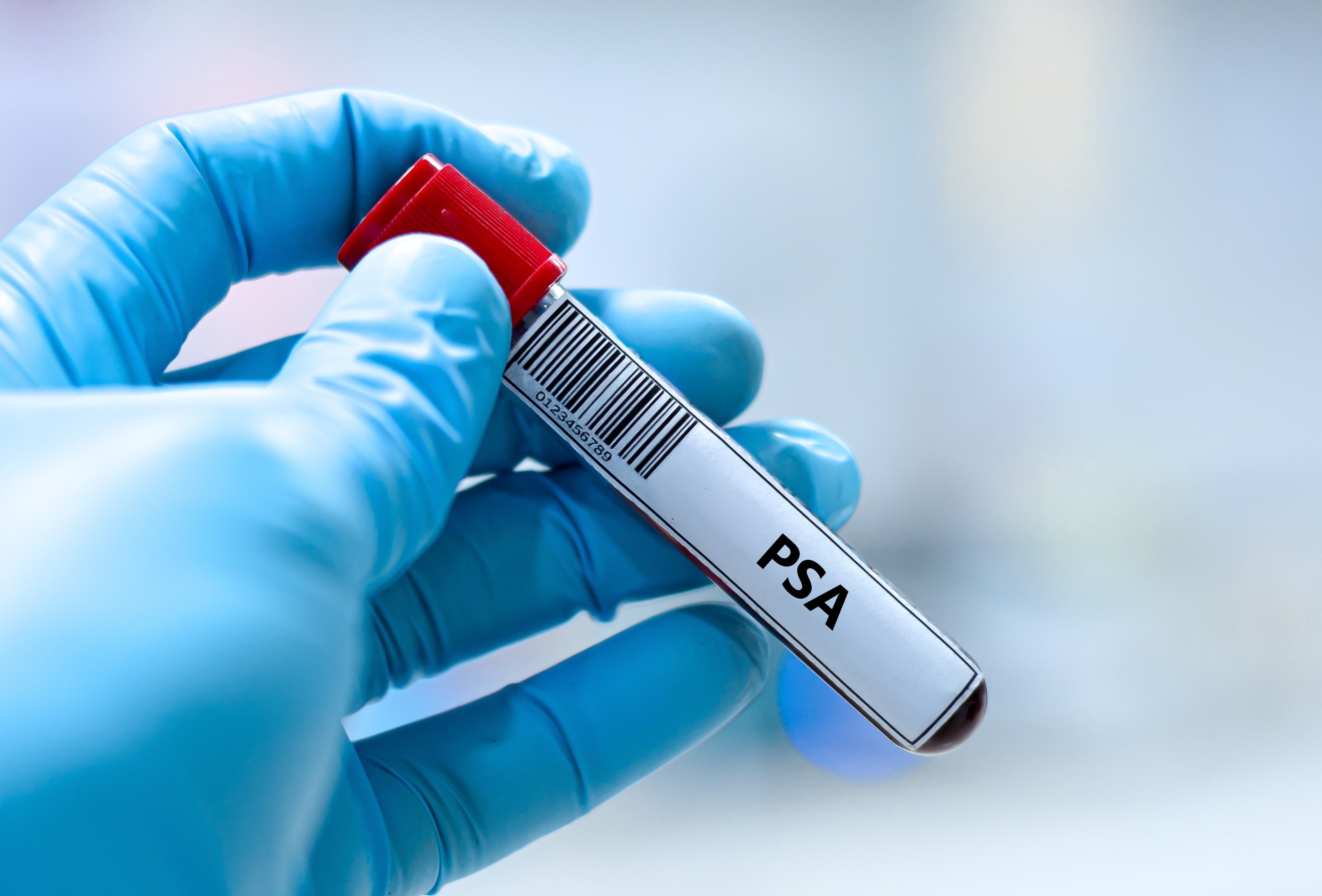
A gloved hand holds a test tube labeled "PSA," indicating a prostate-specific antigen test, relevant to health screening

2. "Painful ejaculation. It wasn't even a pain...I called it a twinge...right at the moment of ecstasy. It was super annoying, but I didn't make the connection until after I was diagnosed. I'm 3 years post-Robot-Assisted Laparoscopic Prostatectomy (RALP) now. Orgasms are different, but exceptional."

—u/mrsketchum88

3. "I started seeing blood in my ejaculate, which happened after I had racked myself 2 days earlier. I went to the ER, and they checked PSA, which my primary care physician HAD NOT been checking (the doctor said there were too many false positives and they had changed protocols). It had elevated to 7.9, which led to a CT scan, plus additional PSA, MRI, biopsy, prostate-specific membrane antigen (PSMA), and brachytherapy surgery (which was 2 months ago). My PSA will not be checked for another month; they say it is banged up from radiation for now. Lucky I sat on my balls!"

—u/Due_Plankton_9787

4. "I was going to go on testosterone, and I signed up with a woman from TikTok. They required a blood test. She wouldn't touch me without a urologist's clearance because of my PSA number. Long story short, a TikTok lady saved my life, as it would have been years, and we caught it super early."

—u/Alarming_Midnight554


5. "I'd always joked about having the bladder of a kitten since my early 20s. I had to take bathroom trips so often. Then, 2 years ago, I was on a camping trip, and the urgent need to go increased in frequency, but it came with a very weak stream and never feeling empty. I went to the urologist at age 45. They finally took me seriously after they found the size of my prostate AND that my father died in his mid-60s from prostate cancer."

—u/ActiveSpiritual1266


Halfpoint Images / Getty Images

6. "I began having severe pain in my perineal area. Oddly, it happened every afternoon, and had me curled up in bed. When tested, my PSA was very low and has always stayed that way. Currently, it's 0.05. I've been on hormone treatment for the last six years, and I’m coping well so far."

—u/Kuvvy

7. "I was 49. My first indication of a problem was during a routine colonoscopy (my first). When I woke up, the doctor came to give me the results and said, 'Your colon looks great, but your prostate's a little enlarged. You might want to see a urologist.' When I saw the urologist, he sent me to the lab for a PSA screening. I received a phone call from him 4 hours later: 'I need you to come in for a biopsy next week. Anything over a 4 at your age, and we start to worry. Your PSA is 225.' The biopsy and subsequent scans diagnosed me."

—u/Shams93AFA


8. "It started with a regular exam, and I was at a 5.27 PSA. The doctor said, 'It's not to worry, and it’s historically always been low, so let’s check in six months.' So I went back, and it was 13.27; the cancer was found partially outside the prostate capsule. A PET scan said there was no spread detected, but the PET can’t pick up microscopic cells — who knew? I had brachytherapy and 27 rounds of radiation to knock it out."

—u/Rich-Blackberry3835

9. "I was suffering from erectile dysfunction (ED). Other than that, I had no symptoms."

—Anonymous

10. "My husband had a strange texture to his semen. It was like Jell-O. He also started getting pain when he ejaculated, back pain, and pressure in his prostate."

—u/CartographerNo8770


11. "I am 43. I had virtually no symptoms. I woke up frequently in the middle of the night to pee — sometimes once, often two or three times. I don't know if it's related, but I quite often felt like I was right on the cusp of getting sick. Like, I was just having the VERY beginnings of a low-grade fever and feeling achy. Like the first stage that can easily be ignored but just barely registered as feeling off. Maybe I'm just nuts or reaching..."

—u/Disastrous_Ad7536


Halfpoint Images / Getty Images

12. "Many times, prostate cancer isn’t symptomatic until it reaches more advanced disease stages. And since some symptoms overlap with other common signs of aging (erectile dysfunction, increased urinary frequency, difficulty starting/stopping urination, reduced ejaculate volume), many men don’t get checked out right away. I'm not a doctor, but in my opinion, any erectile, urinary, or ejaculatory changes should prompt a urology visit, especially if you’re younger than 60."

—u/Shams93AFA

13. "Go see a urologist. If you are past a certain age, they'll do a PSA test. There are several causes of urination issues, and none of them is cancer — the 'symptoms' that some men report are just coincidental conditions that got them to go see a doctor when the cancer was found. A urologist would know and either tell you to 'get out of here' or order more tests."

—u/ChoiceHelicopter2735

Doctor showing a patient a tablet displaying a medical scan in a consultation room with anatomical charts in the background