From restless.co.uk
In our fast-paced world, it’s understandable that we might feel overwhelmed and exhausted. And if you’re constantly tired, you might assume you’re simply not getting enough sleep. But there are many other reasons why you might have low energy levels.
From making simple dietary changes to finding ways to manage stress and anxiety, here are nine ways to help beat tiredness.
1. Get a good night’s sleep
Let’s start with the most obvious cause of tiredness: a lack of sleep.
While the amount of sleep needed varies from person to person, most adults need between seven and nine hours per night to function at their best. But many people don’t get enough, or if they do, it isn’t good quality.
Heading to bed too late is a common reason for not feeling rested in the morning, as it can affect both sleep duration and quality. Sleep is made up of REM (rapid eye movement) sleep and non-REM sleep. This is lighter and dream-filled, whereas non-REM sleep is deeper and more restorative. The later we go to bed, the more likely we are to have REM sleep, so we might wake up feeling groggy because the sleep we’ve had hasn’t been long or deep enough.
According to sleep expert Dr Nerina Ramlakhan, the hours before midnight are most beneficial for sleeping. But for night owls, forcing yourself to go to sleep at 10pm isn’t usually feasible. A good rule of thumb is to go to bed when you feel sleepy, rather than forcing yourself to stay up.
It’s also helpful to aim to go to bed at the same time every night and avoid naps – even if you’re really tired during the day – as they can make it more difficult to fall asleep later.
If you struggle to get to sleep or would like to find out more about getting a good night’s sleep, check out our eight tips or visit our sleep and fatigue section.

2. Eat a healthy, balanced diet

Diet has a direct link to our energy levels. When we’re tired, many of us crave a sugar hit or reach for comfort foods – and while these may provide a brief energy boost, this soon wears off and can leave us feeling more sluggish later in the day.
Some of the best foods we can eat to improve our energy levels are whole plant foods and slow-release, unrefined carbs, meaning plenty of fruit and vegetables, whole grains, legumes, nuts, and seeds. These foods are packed with antioxidants, which can decrease inflammation, and their fibre content promotes healthy digestion, which can further support sleep.
Irritable bowel syndrome (IBS) and chronic fatigue are strongly linked, and adding fermented foods (like miso, yoghurt, kimchi, and sauerkraut) to your diet can benefit your gut and, therefore, your energy levels. Fermented foods improve the health of your digestive tract and may help prevent and manage IBS.
For more information, you might like to read our article: 12 energy-boosting foods and drinks.
3. Drink plenty of water
Dehydration can affect sleep quality by causing our mouth and nose to dry out. This can lead to snoring and hoarseness, making us feel tired and less alert the next day.
This study found that people who decreased their water intake reported increased fatigue and lethargy. They also reported feeling less calm, satisfied, and positive – all of which can further impact the ability to have a good night’s sleep.
So, to keep your body running at its best and make sure your sleep isn’t affected, it’s important to stay hydrated. According to NHS guidelines, we should try to drink six to eight glasses of fluid a day.
If you think you need to drink more water, you might like to buy a motivational water bottle* with markings to track how much to drink throughout the day and remind you when it’s time to take another sip.
You may also find our articles, 10 tips for staying hydrated and why it’s important and 9 healthy and hydrating alternatives to water, useful.
4. Find ways to manage stress

When we’re tired, it’s normal to focus on potential physical causes – but psychological factors can also significantly impact our energy levels.
Chronic stress can cause fatigue, but even smaller-scale stress can rob us of the mental and physical energy needed to comfortably get through the day. This is generally because the more stressed we feel, the more energy we use – and stress hormones can also harm our sleep patterns.
Of course, reducing stress is easier said than done, but it’s important to weave relaxing activities into your day and make them a priority, however busy you are.
Mindfulness practices like meditation and yoga are some of the best ways to reduce stress, but other activities, such as journaling, walking, taking a bath, or simply speaking to friends, can all make a difference.
5. Reduce alcohol
We know that drinking too much alcohol isn’t good for our health – but many of us aren’t aware of just how detrimental it can be to our sleep.
Alcohol is a toxin that the body works hard to expel, and this can affect sleep quality, particularly if we’re dehydrated.
Many people believe that alcohol encourages and supports sleep, especially as having a nightcap before bed is a popular ritual for many. But, even though alcohol may sometimes help you fall asleep, you won’t sleep as deeply and can still wake up feeling groggy, even if you slept for eight hours.
Those who really enjoy an evening of whisky or a glass of wine don’t have to cut out alcohol entirely, but it’s best to have several alcohol-free days every week. When you do drink, aim to do so in moderation, and try not to drink just before bedtime.
NHS guidelines recommend that men and women shouldn’t regularly drink more than 14 units a week. To find out more and to calculate your own units, have a read of this NHS advice. There’s further advice and alternatives to try in our article: How to make healthier drink choices.
6. Make exercise a habit
The benefits of exercise are widely known. But when we’re tired, exercising is often the last thing we feel like doing. Studies show that regular exercise can reduce tiredness symptoms, improve sleep quality, and release endorphins that naturally boost our energy levels.
The NHS recommends doing at least 150 minutes of moderate-intensity exercise each week. We should also try to do muscle-strengthening activities at least twice a week to build strength and balance. For exercise inspiration, head to our fitness and exercise section.
If you spend a lot of time sitting, getting up and moving more frequently can also positively affect your energy. You might have to sit at a desk for work, but that doesn’t mean you can’t try to include short bursts of activity into your day. This could be as simple as going for a quick lunchtime walk or taking the stairs instead of the lift.
Small changes to your lifestyle and daily routine, like parking your car further away or walking to the local shops instead of driving, can be good ways to get moving and raise your energy levels.
You can find more tips in our articles: 17 creative ways to increase your daily step count and 12 rewarding activities to do while walking.
7. Increase your iron intake

Iron deficiency (anaemia) is a common cause of tiredness. When your iron levels are low, haemoglobin levels (a protein in red blood cells that carries oxygen) drop, too, making it more difficult for oxygen to reach tissues and muscles.
Anaemia also harms your immune system and can increase your risk of becoming ill or developing an infection, which can make you more tired. Anaemia is more commonly seen in women than in men, but anyone can be affected.
Luckily, anaemia is usually simple to treat. Your doctor may recommend an iron supplement and/or eating plenty of iron-rich foods.
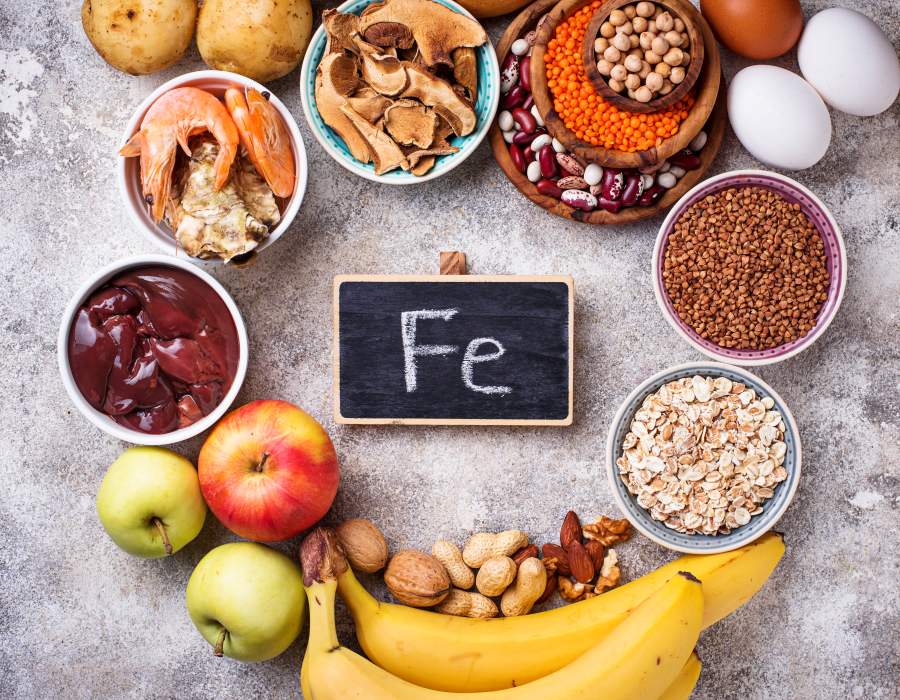
Iron-rich foods include leafy green vegetables, fortified cereals and bread, beans, peas, lentils, meat and liver, nuts, and whole grains. You can read more about this in our article: Iron: what it is, why it’s important, and how to make sure you’re getting enough in your diet.
Note: Eating iron-rich foods is something all of us should do, but before taking an iron supplement, you should contact a GP and get your iron levels tested.
8. Cut down on caffeine

While drinking more fluids can help beat tiredness, it’s important to be mindful of what you’re drinking. If you drink lots of coffee, tea, fizzy drinks, or energy drinks, you may wish to lower your caffeine intake or consider cutting it out entirely, because caffeine can impact sleep.
Though it’s usually best to reduce your caffeine intake gradually because sudden withdrawal can cause headaches and affect your mood.
You may initially feel more tired without caffeine, but it’s important to remember that caffeine is only a short-term fix to tiredness. Once it’s eliminated from the body, you can experience a caffeine crash and feel even more tired than before. When this happens, it’s easy to fall into a caffeine-fueled cycle of tiredness. So, reducing your intake can help you to gain more energy in the long term.
If you like hot drinks, you could try caffeine-free herbal teas (like peppermint, lemon, or ginger), fruit teas, Rooibos, or decaffeinated tea and coffee. You can learn more in our article: The health benefits of 9 different types of tea.
If you really love your morning coffee, you don’t have to cut it out entirely, but you could consider only having one or two caffeinated drinks a day. To make sure you can properly wind down in the evening, it’s also helpful to avoid caffeine from mid-afternoon onwards.
9. Eat smaller, more frequent meals
Most of us have experienced a slump shortly after eating a big meal, and one effective way to maintain high energy levels is to eat smaller meals.
If you’re worried about being hungry, the good news is that eating smaller portions means you can eat more regularly. Eating smaller meals and healthy snacks every three to four hours can keep your blood sugar levels stable, making an energy slump less likely.
When we go a long time between meals, we can sometimes get intense cravings for sugary foods, so eating every three to four hours also means you’ll be less likely to eat junk food and experience a sugar slump.
Healthy snacks that release energy slowly include foods like bananas, apples with peanut butter, avocados, and almonds. For more inspiration, why not try making one of these quick and healthy snacks?
Final thoughts…
When you’re feeling tired, not getting enough sleep may seem the obvious culprit, but there are several contributing factors. Sometimes, a simple change to your routine or diet can be the best way to increase your energy levels.
That said, chronic tiredness can sometimes be a symptom of an underlying health problem – so if you’re concerned or your tiredness has persisted for a while, it’s important to make an appointment with your GP.
Generally, taking steps to look after your overall health, eating well, and exercising regularly can have a profound effect on beating tiredness – and, as a bonus, they can often have a positive impact on mood.
For more advice on boosting energy levels, check out our sleep and fatigue and general health sections.
No comments:
Post a Comment