Sunday, January 11, 2026

8 common diet habits that are surprisingly bad for health

From restless.co.uk/health 

We all want to do what we can to become the happiest and healthiest version of ourselves. And while exercising regularly, cutting back on added sugar, and reducing our salt intake are tried and tested ways to improve health, research suggests there are several other common diet habits that may not be beneficial.

From ‘detox diets’ to cutting our carbs entirely, many of these so-called health trends have become so ingrained in diet culture that they feel difficult to break.

With that said, we’ll explore eight common diet habits that are surprisingly damaging to health.

1. Going on cleanses and detox diets

Detox diets, such as juice cleanses and herbal detoxes, have long claimed a range of impressive health benefits, including ridding the body of toxins and offering quick weight-loss results.

However, not only does research cite little to no health benefits of diet cleanses, but in many cases, it’s also revealed negative impacts. For example, detox diets may increase the risk of nutrient deficiencies, disordered eating habits, and even increase toxins in the body.

Some detox diets – especially those which promote the use of teas, pills, and supplements that contain laxatives to ‘cleanse’ the colon for weight loss results – can lead to dangerous side effects.

It’s also worth noting that our bodies have their own built-in cleansing mechanism, whereby the liver breaks down toxins that enter the body while the kidneys flush them out, meaning detox diets simply aren’t necessary.

To learn more, you might like to read our article: Detox diets – the myths, and how they can negatively impact health.

2. Cutting out all carbohydrates

In recent years, many people have come to associate carbohydrates with weight gain. But this isn’t the whole story, as carbohydrates, in their right form, remain a key part of any healthy diet.

On the one hand, refined carbohydrates, like pastries, pizza, and cakes, are stripped of many nutrients during processing. This means they have little nutritional value and are also digested very quickly, meaning you’re likely to feel hungry soon after. As a result, research has linked highly processed carbs with a greater likelihood of overeating and gaining weight. So, reducing your intake of these can be a positive step.

Meanwhile, whole grains, such as oats, buckwheat, brown rice, and quinoa, are rich in vitamins, minerals, antioxidants, and fibre, and provide a steadier release of energy. This means they help keep us fuller for longer, prevent blood sugar spikes, and can support weight loss.

This study found that whole-grain-rich diets were associated with lower body weight and a reduced risk of diabetes. Research has also linked eating more whole grains with a lower risk of death from all causes, including stroke, heart disease, and heart failure.

Check out our lists of 10 high-carb foods with powerful health benefits and 9 healthy whole grains to add to your diet to learn more.


3. Following a gluten-free diet if you don’t have Coeliac Disease or a gluten intolerance

Gluten-free diets have become popular in recent years. However, while eliminating or reducing gluten intake is necessary for people with Coeliac disease or who are gluten intolerant, research suggests that, for everyone else, it may do more harm than good.

In fact, gluten-free diets have been linked with an increased risk of inflammation, insulin resistance, nutrient deficiencies, and issues with short-term memory.

This is because many gluten-containing foods, like whole grains, are valuable sources of fibre, vitamins, minerals, and antioxidants. And most foods that contain gluten also contain flour, which is fortified and enriched with iron and B vitamins, like folate.

Note: If you suspect you may be gluten-intolerant, it’s important to speak to your GP.
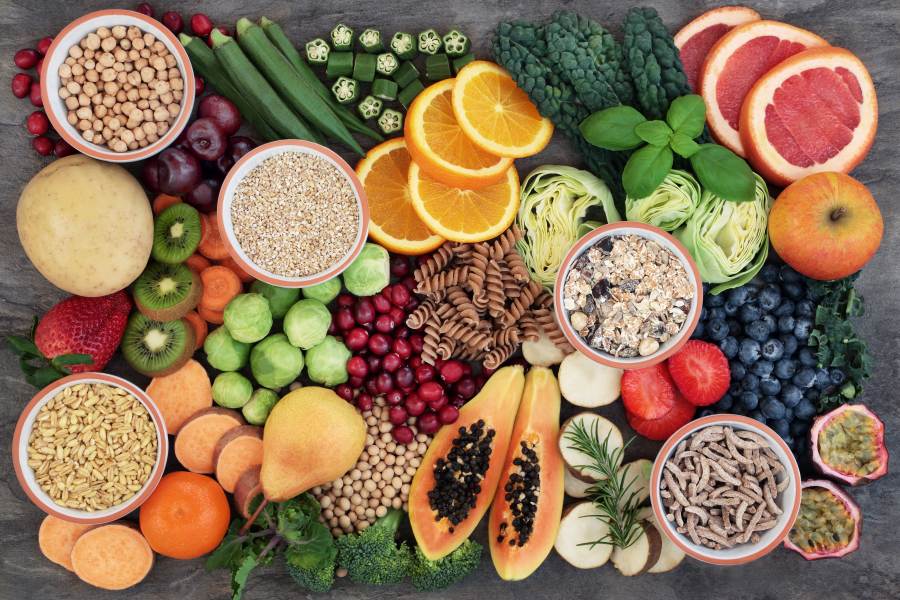
4. Not eating enough fibre

Fibre is an essential nutrient needed for healthy digestion and overall health. Alongside its role in gut health, research has consistently linked high-fibre diets with a lower risk of several conditions – including stroke, heart disease, bowel cancer, and type 2 diabetes.

For example, this study suggests that for every 1,000 people who switch from a low-fibre diet (less than 15g) to a high-fibre diet (25-29g), 13 deaths and six cases of heart disease would be prevented.

However, despite its importance, statistics show that over 90% of UK adults don’t eat enough fibre. In fact, most of us eat just 60% of the daily adult recommended fibre intake of 30g. This means eating more fibre should be a central goal for most of us.

Check out our article, 10 easy ways to add more fibre to your diet, for ideas on how to up your intake.

5. Eating too much protein

Hitting a daily protein target has become all the rage in recent years. However, while protein is essential for health and building muscle, it’s still possible to overdo it.

Among other things, research has linked eating too much protein with an increased risk of weight gain, constipation, bad breath, dehydration, kidney damage, and several health conditions like cancer and heart disease. There’s also evidence that these effects may be particularly severe if you simultaneously restrict your intake of other essential nutrients, including fibre and carbohydrates.

As a general rule, experts advise aiming for around 0.75g of protein per kilogram of body weight per day for basic needs. For example, a 75kg man would need to consume around 56g of protein a day, and a 60kg woman around 45g.

That said, the amount of protein you need will depend on your lifestyle. If you’re working on building muscle mass and strength, your body will need more protein than the recommended average. The British Nutrition Foundation has more information on protein intake on its website.

6. Consuming large amounts of artificial sweeteners

It’s well-known that too much added sugar is bad for our health. This has led to artificial sweeteners becoming popular sugar substitutes in many foods and drinks.

Experts have previously been divided over whether or not artificial sweeteners harm health. However, more recent studies are shedding light on their potentially harmful effects.

In this study led by the British Medical Journal, regularly eating or drinking foods with artificial sweeteners was linked with a 9% increase in the risk of heart disease and stroke. The largest increase was in the risk of stroke or transient ischaemic attack (sometimes called mini-stroke), where sweeteners were linked to an 18% increased risk.

The exact reason why artificial sweeteners may have this effect on health is currently unknown. However, researchers have pointed to other studies, which have linked artificially sweetened drinks with metabolic syndrome (a collection of health issues like high blood pressure and cholesterol) and dysregulated blood sugar levels.

More recent studies highlight that further research is needed to determine sweeteners’ effect on metabolic syndrome, and advise caution against overconsumption.

There’s also evidence of links between artificial sweeteners, weight gain, and poor gut health. For example, in this study, people who drank more than 21 artificially sweetened diet drinks per week were found to be twice as likely to become overweight or obese as people who didn’t consume them. Another study linked two artificial sweeteners, saccharin and sucralose, with reductions in healthy gut bacteria.

As a result, researchers at the British Medical Journal have concluded that artificial sweeteners “shouldn’t be considered a healthy and safe alternative to sugar.”

You can find out more about what current research says in our article: Are artificial sweeteners good or bad for health?

7. Drinking fruit juices and smoothies over whole fruit and veg

Smoothies and juices are often marketed as a healthy treat. While there’s nothing wrong with occasionally enjoying smoothies and juices, experts warn against having too much.

All fruit, fruit juices, and smoothies contain a naturally occurring sugar called fructose. But while fructose from whole fruit and vegetables doesn’t contribute to your intake of free (or added) sugar, fructose in fruit juice and smoothies does. This is because when fruit and vegetables are blended, fructose, which is contained within the cell walls of the fruit, is released as free sugar.

As a result, consuming too many smoothies and juices can quickly take your sugar intake over the recommended daily amount. In fact, research shows that some popular smoothies contain more sugar than you should have in a day. This is only exacerbated by the fact that, due to the removal of fibre and other nutrients during processing, smoothies and juices require less digestive effort – so it’s easy to drink large amounts quickly.

Among other things, too much added sugar can increase the risk of obesity, tooth decay, and type 2 diabetes.

For this reason, it’s worth focusing on getting your five a day from whole fruit and vegetables.

8. Neglecting healthy fats

Much like carbohydrates, fats often get a bad rap. However, while limiting your intake of unhealthy fats, such as saturated and trans fats, is beneficial, healthy fats like omega-3 fatty acids are essential for health. Among other things, we rely on healthy fats for nutrient absorption, hormone production, muscle movement, and brain function.

They’ve also been linked with several health benefits, including better blood sugar control, reduced inflammation, and a lowered risk of certain health conditions, like cancer and heart disease. Take this study, for example, which found that a higher intake of omega-3 fatty acids was associated with a 55% lower risk of colon cancer. This meta-analysis also found omega-3 to be advantageous in the treatment of colorectal cancer patients.

Examples of healthy fats include avocado, olive oil, fatty fish, nuts, and seeds. The Mediterranean diet is a good place to start if you’d like to increase your intake of healthy fats.

Final thoughts…

From detox diets to artificial sweeteners and a lack of fibre, research shows that several common diet habits may be negatively impacting health. Luckily, even simple swaps can make all the difference.

For further reading, head over to our diet and nutrition section. Here, you’ll find information on everything from popular diet guides to mindful eating.

https://restless.co.uk/health/healthy-body/common-diet-habits-that-are-surprisingly-bad-for-health/?utm_source=midweek-email&utm_medium=email&utm_campaign=midweek_email_26-01-08_general&utm_content=midweek_email_26-01-08_general

No comments:

Post a Comment