Friday, January 2, 2026

5 sustainable nutrition habits for a healthier year

From restless.co.uk

As we move into a new year, you might find yourself reflecting on your health goals. While regular exercise, stress management, and staying active all count, much of our overall wellbeing begins in the kitchen 

With many of us seeking a fresh start, particularly after the festive season, it can be tempting to buy into quick-fix diet plans that promise instant results. However, when it comes to long-term success, these are rarely helpful. Instead, adopting simple nutrition habits that feel realistic to stick to can be more worthwhile – not to mention, more enjoyable. And often, it’s the smallest tweaks that make the biggest difference.
1. Have fun collecting plant points

Have fun collecting plant points

Eating more whole, plant-based foods is central to any healthy diet. Whole foods are typically free from added salt, sugar, and saturated fat, and plant foods in particular are full of key nutrients like fibre, which are often removed from highly processed foods.

This is why experts say that eating 30 different plants a week is one of the best things you can do for your health – the more varied, the better. Beyond preventing mealtime boredom, the health benefits are huge and include improved gut health, increased longevity, and a reduced risk of disease.

In this study, women whose diets included 16 to 17 healthy foods had a 42% lower risk of death by all causes than those who rotated zero to eight healthy foods. Another study found that regularly eating 30 different plants a week was linked with healthier, more diverse gut bacteria.

Yet, research shows that around 60% of us eat the same foods every week, with humans eating just 150-200 of the 250-300,000 known edible plant species, and many typical Western diets include only a fraction of these. So there’s plenty of room for improvement.

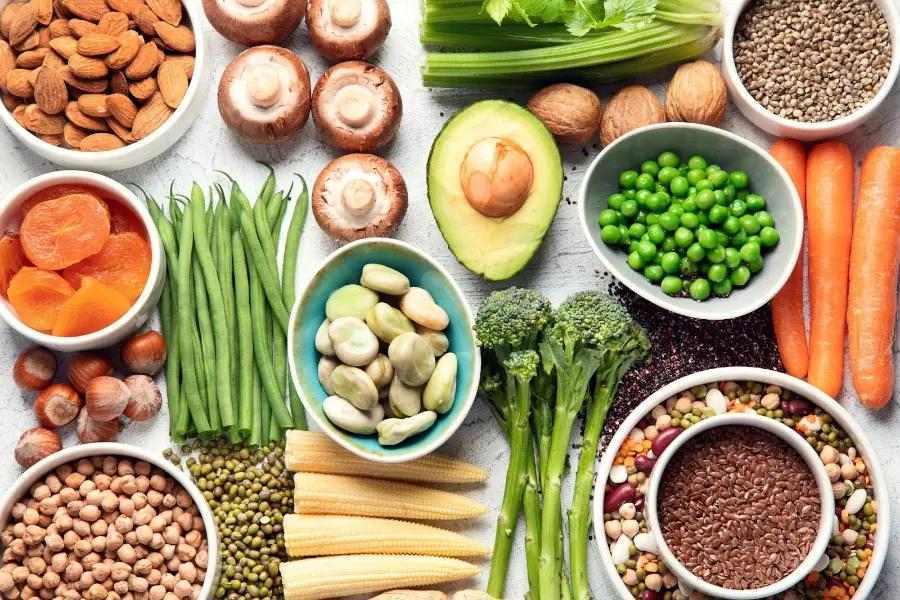
If 30 different plants a week sounds like a lot, don’t forget that nuts, seeds, beans, legumes, and whole grains all count, as well as fruit and vegetables. Many people find it’s a lot easier to reach 30 plants a week than they initially thought.

To help you keep track and aim for more variety, Linwoods recommends using the plant points system. When tracking plant points, each different plant food that you eat in a week counts as one point. For example, if you have overnight oats with raspberries and flax or hemp seeds, that’s three plant points.

Simple things like eating multiple veg as a side rather than just the one and switching between grains and pulses like lentils, quinoa, buckwheat, and wholegrain rice as a base for meals can make a big difference. You could also have fun experimenting with new foods every week and getting creative with recipes. Who knows, you might even end up discovering some new favourites.

To learn more about tracking your plant points and explore easy ways to pack more plants in, head over to the Linwoods website. Or, you might like to read our article: What are the benefits of adding more variety to your diet?

2. Make two litres of water a day a non-negotiable

Make two litres of water a day a non-negotiable

When it comes to taking care of our health, it’s easy to think the answers lie in complicated solutions rather than seemingly simple habits, like drinking enough water. But sometimes simple is best.

Our bodies are made up of around 70% water, and hydration is essential for health. Among other things, we rely on it to regulate blood pressure, energy, joint function, electrolyte balance, and body temperature – and it’s key for general wellbeing, too.

In this study, 47% of participants reported improvement in headaches after drinking an additional 1.5 litres of water a day. And another study found that dieters who drank 0.5 litres of water before mealtimes lost 44% more weight over 12 weeks compared to those who didn’t drink water before meals.

The NHS recommends adults drink between six and eight cups of fluid a day, which works out to about 1.9 litres. However, research shows that in the UK, over 50% of us don’t drink enough water.

For this reason, having a non-negotiable daily goal to drink enough water is a great step towards a healthier you. If you find this difficult, having a reusable water bottle, setting reminders, flavouring your water, and getting into the habit of drinking a glass of water before mealtimes can all be helpful. Remember that low-fat milk and sugar-free drinks like tea and coffee all count within NHS guidelines, too.

To learn more, check out our article: 10 tips for staying hydrated and why it’s important.

3. Use simple, nutritious meal toppers

Use simple, nutritious meal toppers

Topping your meals with things like nuts and seeds can be a simple but incredibly effective way to boost your health.

Beyond adding texture and flavour, nuts and seeds count towards your 30 plants a week. And, as excellent sources of fibre, antioxidants, plant-based protein, healthy fats, and various vitamins and minerals, research has linked them with several impressive health benefits.

Several long-term studies have reported lower death rates among people who regularly consume nuts and seeds. Among other things, there’s evidence that regularly eating nuts can reduce inflammation linked to heart disease and diabetes.

The high omega-3 content of nuts and seeds like flaxchia, and hemp, particularly alpha-linolenic acid (ALA), has also been found to boost heart health, circulation, and longevity. For example, one study linked the ALA content of flaxseed with a reduced risk of stroke, heart attack, and a 73% lower risk of death compared to people who consumed less ALA.

4. Swap salt and sugar for healthier alternatives

Swap salt and sugar for healthier alternatives

According to research, a large proportion of UK adults consume up to 40% more than the recommended daily salt intake. And 60% of us are actively looking to reduce our sugar intake.

Diets high in salt and added sugar are linked with various health risks, including weight gain, high blood pressure, heart disease, and type 2 diabetes. However, due to the prevalence of high-salt and sugar foods these days, it can sometimes feel difficult to know how to effectively reduce your intake. But small habits can make all the difference.

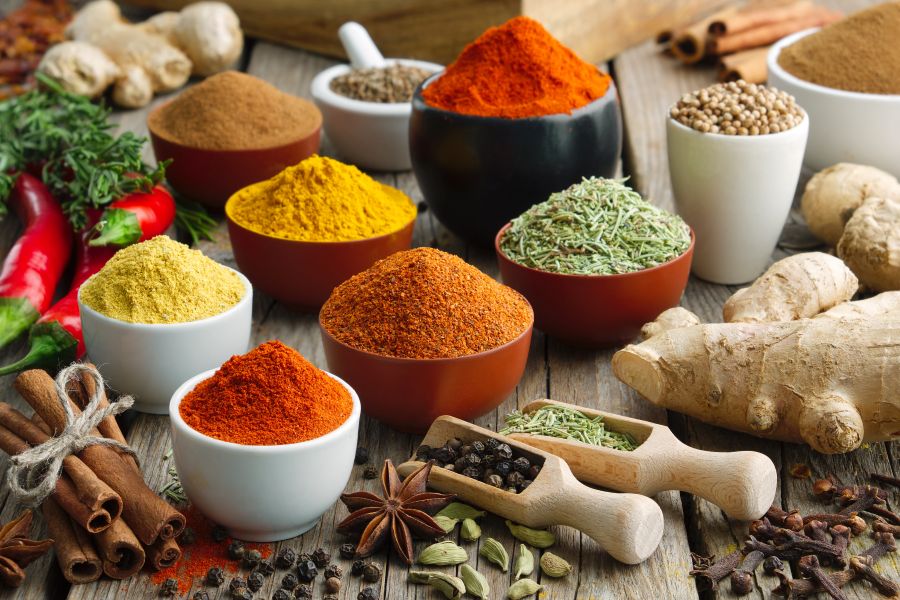
For example, replacing salt and sugar with herbs and spices like cinnamon, ginger, rosemary, cumin, and turmeric not only adds wonderful flavour but can significantly improve health. Among other things, research has linked cinnamon with lower blood pressure, turmeric with a reduced risk of dementia, and rosemary with improvements in sleep, anxiety, and depression.

On their own, these changes might seem small, but altogether, they can quickly add up and significantly bring down your salt and sugar intake. Check out our articles, 9 simple ways to cut back on added sugar and 9 ways to lower your salt intake, for more ideas.

5. Dedicate time to meal prep and batch cook

Dedicate time to meal prep and batch cook

Some of the main barriers that people face when it comes to healthy eating are time, budget, and creativity. Despite our best intentions to cook nutritious meals at home, sometimes it just feels like too much effort.

As such, it’s easy to find yourself relying on quick alternatives like ready meals, takeaways, and other ultra-processed foods (UPFs). In fact, research shows that, in the UK, 53% of our calories come from UPFs, and nearly half of us (49%) eat takeaway foods up to four times a week.

These foods tend to be high in added sugar, salt, saturated fat, and other harmful ingredients, often more than we realise. According to experts, a takeaway curry with all the extras can provide around 20g of salt – over three times the maximum recommended intake of 6g a day. And high intake of UPFs is linked with health issues like obesity, heart disease, high blood pressure, dementia, and type 2 diabetes.

On the other hand, eating more home-cooked meals is associated with a lower BMI and body fat percentage, and better overall health. If you’d like to reduce your intake of UPFs and takeaways, batch cooking nutritious meals and freezing the extra can be a game-changer – and save you time and money, too.

Plus, it can be a huge relief heading into Monday knowing that, no matter how hectic things are, you have a series of nutritious meals waiting. If you’re worried about meals becoming boring and repetitive, remember you can get creative with sides and, since most meals should last up to six months in the freezer, it’s easy to spread them out.

Check out our articles, 15 freezeable recipes that make for easy meals later and 8 batch cooking recipes that will last all week, for inspiration.

Final thoughts…

Many of us will be thinking about health goals for the year ahead. When it comes to long-term success, research consistently shows that simple, sustainable goals are the way forward. From batch-cooking to improving diet diversity, building a healthy lifestyle not only improves your wellbeing, but it can be enjoyable, too.

For further reading, head over to the diet and nutrition section of our website.

https://restless.co.uk/health/healthy-body/sustainable-nutrition-habits-for-a-healthier-year/?utm_source=midweek-email&utm_medium=email&utm_campaign=midweek_email_26-01-02_food_drink&utm_content=midweek_email_26-01-02_food_drink

No comments:

Post a Comment