From restless.co.uk/health
High blood pressure (also known as hypertension) is a common health condition affecting one in four adults in the UK – the equivalent of around 10 million people. Because high blood pressure often has no symptoms, some people don’t even realise they have it. However, high blood pressure can increase your chances of having a heart attack or stroke, so it’s important to get checked
If you have high blood pressure, you might already be taking medication prescribed by your doctor – but there are lifestyle changes you can make that may help, too.
Here’s everything you need to know about high blood pressure and how to lower it naturally.
What is normal blood pressure?

Blood pressure measures the force of blood inside your arteries. When the force is too high, it can weaken your heart and damage your arteries. This can increase your risk of heart attack, heart failure, stroke, and kidney disease.
Blood pressure is recorded using two numbers, measured in millimetres of mercury (mmHg). Systolic pressure is the higher number, representing the force that your heart pumps blood around the body. Diastolic pressure is the lower number, representing the resistance to blood flow in the blood vessels.
Normal blood pressure readings vary from 90/60 to 120/80. If your blood pressure is high (140/90 or more) for more than a few weeks, your doctor will likely diagnose you with high blood pressure and, depending on severity, may recommend medication. The easiest way to measure your blood pressure is to book an appointment at a pharmacy – you can find your nearest one on the NHS website.
You could also consider buying a blood pressure monitor for use at home – just make sure that it’s approved for use in the UK. The British and Irish Hypertension Society has a list of validated blood pressure monitors for home use on their website.
As well as medication, there are lots of ways to help lower blood pressure naturally. And, even better, these steps are good for your overall health and fitness, too.
10 natural ways to lower blood pressure
1. Maintain a healthy weight

Blood pressure tends to increase with bodyweight, so if you’re overweight, losing even a small amount can make a difference. Every kilogram of weight an overweight person loses can reduce their blood pressure by about one millimetre of mercury (mmHg).
Aside from dropping excess weight, research shows that paying attention to your midsection is particularly important. Fat held in this area is called visceral fat, and too much of it can increase the risk of high blood pressure. For more information on healthy waist-to-height ratios and how to measure yours, head over to the British Heart Foundation website.
To get some healthy meals and snack ideas, you might like to read our articles: 14 quick and healthy snack ideas and 12 healthy recipe ideas.
2. Exercise regularly

We all know that regular exercise is important for health, and one reason for this is that it helps to lower blood pressure. When you exercise, your heart becomes stronger and better at pumping blood, which helps to relieve pressure in your arteries.
Just 150 minutes of moderate exercise can reduce blood pressure and boost heart health. And, according to research, exercising more than this will have an even greater effect.
You don’t have to run marathons or pump iron at the gym to see the benefits; moderate aerobic exercise like brisk walking, cycling, swimming, or dancing can all be effective. In this study of sedentary older adults, those who did moderate aerobic exercise lowered their blood pressure by 3.9% systolic and 4.5% diastolic on average – results that are just as good as blood pressure medications.
For inspiration on how to get active and improve your fitness, check out our fitness and exercise section.
3. Reduce your sodium intake

Reducing your sodium (salt) intake is one of the most effective ways to lower blood pressure. Research suggests that a low-sodium diet can have the same effect as blood pressure medication.
Many studies show that there’s a link between high sodium intake and high blood pressure, as well as heart conditions and strokes.
If you have high blood pressure, it’s important to cut back on salt. Rather than buying ready-made meals that are often high in sodium, try making fresh food yourself and seasoning dishes with herbs and spices instead of salt.
You can learn more in our article: 9 ways to lower your salt intake.
4. Eat a healthy, whole food diet

Eating a healthy diet rich in whole foods and low in saturated fat and cholesterol is another great step to take for your health.
According to the NHS, a low-fat diet that includes lots of fibre (like whole-grain rice, bread, and pasta) and plenty of fruit and vegetables helps lower blood pressure.
Meanwhile, it’s a good idea to cut down on processed foods that are high in salt, sugar, and refined carbs. Examples include deli meats, tinned soup, pizza, crisps, and other processed snacks. Foods branded as ‘low-fat’ are often high in sugar and salt.
You can find out more in our articles: What are the benefits of a whole food, plant-based diet? and The DASH diet – what is it and what are the pros and cons? The DASH diet (Dietary Approaches to Stop Hypertension) is tailored to help lower blood pressure.
5. Eat more potassium

While eating any foods rich in vitamins and minerals is a good idea, when it comes to lowering blood pressure, some nutrients, like potassium, are particularly beneficial
Potassium not only reduces the harmful effects of sodium in your body, but it also eases pressure in your blood vessels.
Experts recommend getting around 3,500mg of potassium each day. However, several factors can affect this (for example, if you have kidney disease), so it’s important to speak to your GP first.
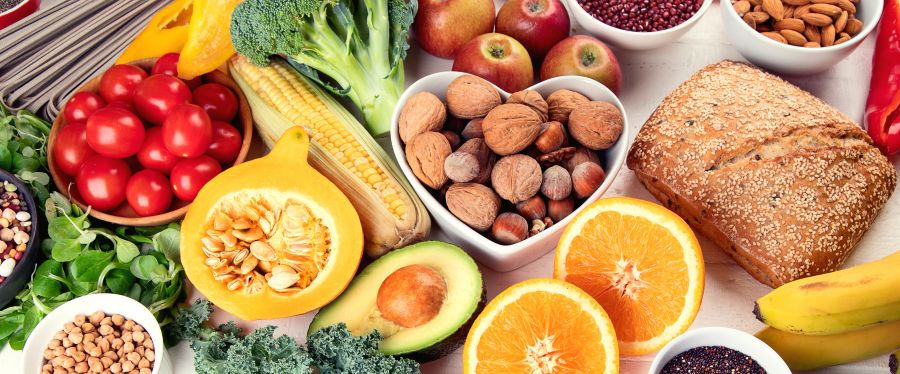
Fruits like bananas, apricots, avocados, tomatoes, melons, and oranges are high in potassium, as are vegetables like potatoes, sweet potatoes, mushrooms, peas, leafy greens, and spinach.
To learn more, check out our article: Everything you need to know about potassium.
6. Limit alcohol

While drinking in moderation isn’t usually problematic, too much alcohol can raise blood pressure. In fact, around 16% of high blood pressure cases are linked to excessive alcohol consumption.
Studies show that alcohol can raise blood pressure by one mmHg for every 10g consumed. Considering the average alcoholic drink contains 14g of alcohol, this can have a significant effect.
Drinking more than 14 units of alcohol a week can have adverse effects on other areas of your health, too. For help cutting back, you might find it helpful to read our articles: 10 tips to stay alcohol-free beyond dry January and How to make healthier drink choices.
7. Stop smoking

Smoking is harmful to health, and every cigarette causes a temporary spike in blood pressure. The good news is that stopping smoking can help your blood pressure return to normal. Quitting smoking can also reduce the risk of heart disease and improve your overall health.
Plus, the chemicals in tobacco are known to harm blood vessel walls – causing inflammation and narrowing arteries – which leads to higher blood pressure. Studies show that even secondhand smoke can contribute to higher blood pressure.
Our article, 7 tips for quitting smoking, has ideas to help if you’re looking to stop.
8. Cut back on caffeine

While the precise effect of caffeine on health is still debated, research suggests it may cause blood pressure spikes. This can vary from person to person, with studies suggesting more significant effects among people whose blood pressure is already high.
For this reason, it might be helpful to limit your caffeine intake if you have high blood pressure or suspect you may be caffeine-sensitive.
For ideas of other drinks you can enjoy throughout the day, check out our article on healthier drink choices.
9. Reduce stress

Chronic stress has been linked with high blood pressure. When you’re stressed, your heart rate is usually higher, and your blood vessels can become constricted. You might also be more likely to turn to other behaviours that can raise blood pressure further, such as drinking more alcohol, smoking, or eating unhealthy food.
While it’s difficult to eliminate all stress from your life, identifying the main triggers and taking steps to manage them can be helpful. For example, soothing music has been shown to relax the nervous system, and studies show that reducing stress is a good complement to other blood pressure treatments.
For more ideas, you might be interested in our articles: 7 tips for coping with stress and anxiety and 9 simple stress-relieving activities.
10. Prioritise sleep

Sleep is essential for health because it allows the body to rest and recover. Sleep helps to stabilise blood pressure, too.
According to research, regularly sleeping for less than four hours a night can significantly increase the risk of high blood pressure. Meanwhile, getting six to eight hours of restful sleep a night not only prevents blood pressure from rising, but it can also prevent it from fluctuating – which can be just as dangerous.
If you struggle to get enough restful sleep, head over to our sleep and fatigue section, where you’ll find tips to help you improve your sleep.
Final thoughts…
High blood pressure can lead to various health problems and increase the chances of suffering from a heart attack or stroke. However, the good news is that there are plenty of things you can do to help lower it.
If you have concerns about your blood pressure, it’s important to speak to your GP. They’ll be able to advise on whether or not medication may be suitable for you.
For more health information, head over to our health section or check out our articles: 5 tips to help lower cholesterol and 11 healthy heart tips.
No comments:
Post a Comment