As Kim Kardashian opens up about living with psoriasis on The Kardashians, experts are warning that a psoriasis winter flare-up isn’t just a celebrity problem—it’s a seasonal hazard for millions of Britons. When the temperature drops, your skin doesn’t just feel the chill; it fights to survive it.
According to Danielle Louise, beauty and skincare expert on Fresha, the world’s leading beauty and wellness booking platform, psoriasis is often less about genes and more about how you live.
“When the temperature drops, we lose humidity in the air, turn our heating up, and take longer, hotter showers — all of which strip the skin’s natural barrier,” says Danielle. “Add in festive stress, rich food, and heavier alcohol intake, and it’s a perfect storm for inflammation.”
The Hidden Triggers of a Psoriasis Winter Flare-Up
A psoriasis winter flare-up can be managed with a few smart tweaks to your daily habits. Louise recommends these dermatologist-approved strategies:
Shorter, cooler showers – Follow immediately with a rich moisturiser to trap hydration.
Humidify your home – Combat the drying effects of central heating.
Gentle exfoliation only – “Chemical exfoliants like lactic acid are better tolerated than scrubs,” she notes.
Barrier-repair ingredients – Seek out ceramides, colloidal oatmeal, and niacinamide.
Book calming treatments – “LED light therapy, gentle facials, and lymphatic drainage can all support skin health without irritation,” says Danielle.
These steps, simple as they sound, can make the difference between skin that survives winter—and skin that doesn’t.
Psoriasis: More Common Than You Think
Psoriasis affects around 1 in 50 people in the UK, yet the stigma around it persists. Louise says the industry is finally catching up. “More clients are being open about it thanks to people like Kim Kardashian — and that’s a good thing. The beauty industry has to respond with empathy, not judgment.”
So, if your skin feels like it’s waging war with the weather, it might not just be dryness—it could be the early signs of a psoriasis winter flare-up.
Slow down, turn the water temperature down, and show your skin the same care you’d give a good wool jumper: keep it protected, supported, and never, ever left out in the cold.
Zero sugar doesn’t mean zero impact on your body. Artificial sweeteners can affect your gut microbiome, glucose tolerance, and more
If you’ve ever thought to yourself that diet soda seems almost too good to be true—sadly, you might be right. These bubbly drinks may have zero calories and zero sugar, but a growing body of research is demonstrating that the artificial sweeteners in them do affect the metabolism and your ability to lose or maintain weight.
“It’s fascinating how many people view diet sodas and other zero-calorie sweetened drinks as comparable to water,” says Whitney Stuart, R.D.N., a dietitian in Dallas, TX, and the founder of Witness Nutrition consulting. “Artificial sweeteners can have distinct impacts on our bodies that extend well beyond just the calorie count. Research shows they can influence gut microbiota, glucose metabolism, and insulin sensitivity, though these effects can vary from person to person,” she adds.
The effects of artificial sweeteners (sometimes called non-nutritive sweeteners, or NNS) on metabolism are complex and still not fully understood by experts. Different types of sweeteners (such as aspartame, saccharin, sucralose, or stevia) may have different outcomes, and how often you ingest them also makes a difference. “In the short and immediate term, there doesn’t seem to be an impact on metabolism [from NNS]. But paradoxically, long-term use is associated with obesity, type 2 diabetes, and cardiovascular disease,” says Sarah Fishman, M.D., Ph.D., a diabetes and weight loss specialist with Premier Endocrinology in New York City.
Experts have several theories as to why NNS have the potential to derail your weight management plans. One of the most well-supported is that artificial sweeteners appear to change the gut microbiome in ways that have downstream effects on insulin sensitivity and glucose tolerance.
Artificial sweeteners may lead to gut microbiota dysbiosis, which occurs when the balance between the good and bad bacteria in your GI tract tips in the wrong direction, favouring the “bad,” according to recent research in the journal Frontiers In Nutrition. When this happens, levels of anti-inflammatory short-chain fatty acids (a by-product of gut bacteria’s digestion of fibre) drop, which can affect the body’s ability to metabolize glucose and fat. Researchers believe these changes may be linked to an increased risk of obesity, insulin resistance, type 2 diabetes, metabolic syndrome, and heart conditions like high blood pressure.
In one study in the journal Nature, mice given saccharin and sucralose for just two weeks experienced a disruption in their normal gut microbiota and impaired glucose tolerance. And 2023 research from Cedars-Sinai Medical Center in Los Angeles found that people who ingested NNS had significantly different gut bacteria and higher levels of inflammatory markers in the duodenum, the first part of their small intestines, than those who didn’t.
Potential to Rouse the Sweet Tooth
Another hypothesis about why artificial sweeteners affect the metabolism focuses on the sweet taste receptors in the mouth and GI tract. Some experts believe that when sweet taste receptors in the mouth are activated, it tells the brain to expect calories; since NNS activate these receptors but don’t deliver calories, it leads us to crave high-calorie foods, which could lead to overeating, Dr. Fishman explains.
There’s also a theory that artificial sweeteners activate sweet taste receptors in the gut, but since there’s no accompanying rise in glucose (as there would be if you ate real sugar), the body releases less GLP-1, a.k.a. glucagon-like peptide-1, a natural hormone released from the intestines when you eat that has an impact on blood sugar levels, appetite, digestion, and weight. This in turn leads to faster gastric emptying and less satiety—also ultimately leading to overeating, per a 2024 review in the journal Nutrients.
“Sweet-tasting drinks, even with no calories, can increase cravings for actual sugar or carbs, potentially leading to overeating and weight gain,” Dr. Fishman adds.
That said, the human research into these outcomes are mixed, and it’s unclear whether artificial sweeteners really affect sweet taste preferences or overall energy intake. It also may be true in some cases, but heavily dependent on other factors, such as which NNS you’re eating, what you’re ingesting it with, whether you have any pre-existing conditions (including obesity) and more. “A popular belief is that artificial sweeteners universally heighten sugar cravings, but research shows that this isn't always the case,” Stuart says. “The effects are deeply influenced by individual habits and circumstances.”
Can Artificial Sweeteners Help You Lose Weight?
“Artificial sweeteners can be a smart and helpful tool in reducing sugar intake, but they aren’t a metabolic ‘free pass,’” Stuart says.
For someone who’s just starting a weight loss journey or trying to get past a plateau, artificial sweeteners could have a place, Dr. Fishman says. “In the short term, replacing added sugar with sweeteners can lead to weight loss,” she says. But because long-term use has been associated with obesity, she says her advice is to try to use less sugar, rather than replace sugar with a faux sweetener. “For example, if you usually use four sugars in your coffee, try slowly going down to three, then two, then one, rather than replacing [the sugar] with artificial sweetener,” she says.
If you do eat or drink artificially sweetened foods and beverages, though, there are steps you can take to minimize their metabolic impact.
For one, be thoughtful about the types of NNS you’re ingesting. In particular, consider trying to limit your intake of aspartame and saccharin; they’re some of the most-researched sweeteners, and best-existing evidence indicates that all three sweeteners can influence gut bacteria and the body’s response to glucose, Stuart says. Sucralose is another NNS to limit, as it’s also been shown to impact gut bacteria, Dr. Fishman adds. Meanwhile, stevia and monkfruit seem to have less of an impact on gut bacteria and glucose tolerance.
Most artificial sweeteners, like sucralose and saccharin, end up in your gut microbiome largely unchanged, where they can directly interact with gut bacteria, notes Dr. Fishman. “In some cases, these sweeteners even act a bit like antibiotics, suppressing certain strains. They can also change the way gut microbes function, including how they produce metabolites that affect our metabolism,” she explains. “Stevia seems different because its sweet compounds are broken down by gut bacteria into steviol, which the body absorbs and clears, so there’s much less direct exposure for the microbiome.” It also doesn’t have strong antimicrobial effects and doesn’t act as a food source for specific bacteria. Stevia isn’t protective, but because it doesn’t linger in the gut the way other sweeteners do, it isn’t as damaging, she adds.
How you’re taking them in matters, too, Stuart says. For instance, pairing artificial sweeteners and carbs together (such as having a diet soda and a side of French fries) may impair insulin sensitivity more than eating the sweeteners alone (sipping a diet cola for a midday caffeine boost), per recent research in the journal Cell Metabolism.
Carbs have many of the same effects as NNS: They alter the gut microbiome in ways that interfere with how the body handles glucose and activate sweet taste receptors in the gut, leading to high post-meal blood sugar levels, Dr. Fishman says. “Overall, while NNS alone are generally considered safe for blood sugar, consuming them alongside carbs can amplify their impact on the gut and metabolism,” she notes.
With Fake Sweeteners, Be Strategic
Although science has recently shown real benefits to going cold turkey with non-nutritive sweeteners in terms of helping to reverse type 2 diabetes, there are ways to be smarter about including them in your diet so that they don’t trip up your health goals.
But if NNS are part of your diet, “taking probiotics regularly… can help protect your microbiome,” Dr. Fishman suggests as a potential gut-health booster in general. Just be sure to check with your doctor before taking any supplement.
Stuart adds that eating fibre, protein, or healthy fats alongside an artificially (or actually) sweetened drink or food can boost satiety and reduce the likelihood of overeating later on.
Stuart suggests a balanced approach. “Incorporate plenty of water, minimally processed foods, and ensure meals include protein and fibre. Use artificial sweeteners thoughtfully to enhance your meals on occasion, rather than defaulting to them,” she says.
Men with suspected prostate cancer will be able to get a diagnosis from the NHS within a day, under a new trial hailed as a potential "game changer" for identifying and treating the disease.
Leeds Teaching Hospitals NHS Trust is using AI technology to interpret MRI scans and spot areas of abnormal tissue within minutes, according to NHS England.
Scans showing a high-cancer risk will be triaged as priority review for a radiologist and patients will be booked for a same-day biopsy.
Around one in eight men will develop prostate cancer in their lives, according to Prostate Cancer UK, with research showing it has overtaken breast cancer as the most commonly diagnosed form of the disease in the UK.
But unlike breast cancer, there is currently no national screening programme for prostate cancer.
Under current best-practice guidelines, men should receive an MRI and biopsy within a week of urgent GP referral - but waits can be longer depending on radiologist capacity.
Getty Images
Health Secretary Wes Streeting said the trial would cut "needlessly distressing" wait times and improve outcomes for patients.
"By harnessing the power of technology we are revolutionising our NHS," he said.
The AI software, called Pi, has been developed by Lucida Medical and promoted for its speed and efficiency. Fourteen other NHS trusts are trialling the technology too, although they are not offering same-day biopsies.
"MRI in the morning, biopsy in the afternoon," Dr Oliver Hulson wrote on the developer's website.
According to the National Prostate Cancer Audit, 58,218 men were diagnosed with prostate cancer in England in 2024 - with a rise of more than 5000 diagnoses from the year prior.
Professor Peter Johnson, national clinical director for cancer at the NHS, said he hoped the technology could be a "game changer and help save men weeks of worry and uncertainty".
Amy Rylance, assistant director of health improvement at Prostate Cancer UK, said Pi could save men the "prolonged anxiety and the bother of hospital trips, while also increasing capacity for our hard-working NHS workforce".
The announcement of the trial precedes the release of the government's National Cancer Plan, expected later this year.
Yogic sleep and bedtime meditations fixed my poor relationship with sleep says Emilie Lavinia. Here’s how to practice Yoga Nidra
According to new research from The Mental Health Foundation, in the past month alone, poor sleep has led to 48 per cent of UK adults feeling more angry or irritable, more stressed and overwhelmed, or more anxious. As someone who struggled with insomnia and poor quality sleep for years, the fact that almost half of the UK’s adult population sleeps poorly didn’t surprise me, but it did worry me.
In a culture that rarely switches off and leaves many of us lacking quality rest, we’re often looking for tools and tricks to help us recharge properly. A decent sleep yields better mental health, better focus and improved productivity and with The Mental Health Foundation’s same research showing that most of us only sleep well three nights a week, no wonder we’re all seeking solutions for better sleep.
Of course, social media and the wellness industry have encouraged us to obsess over hacks and tricks – creating “sleepmaxxing” protocols and exhaustive lists of sleep accessories. I am somewhat guilty of buying into the hype around sleep supplements and wearables, but honestly, the thing that helped me most when I was struggling to sleep wasn’t a daylight lamp or a silk sleep mask – it was the ancient practice of Yoga Nidra.
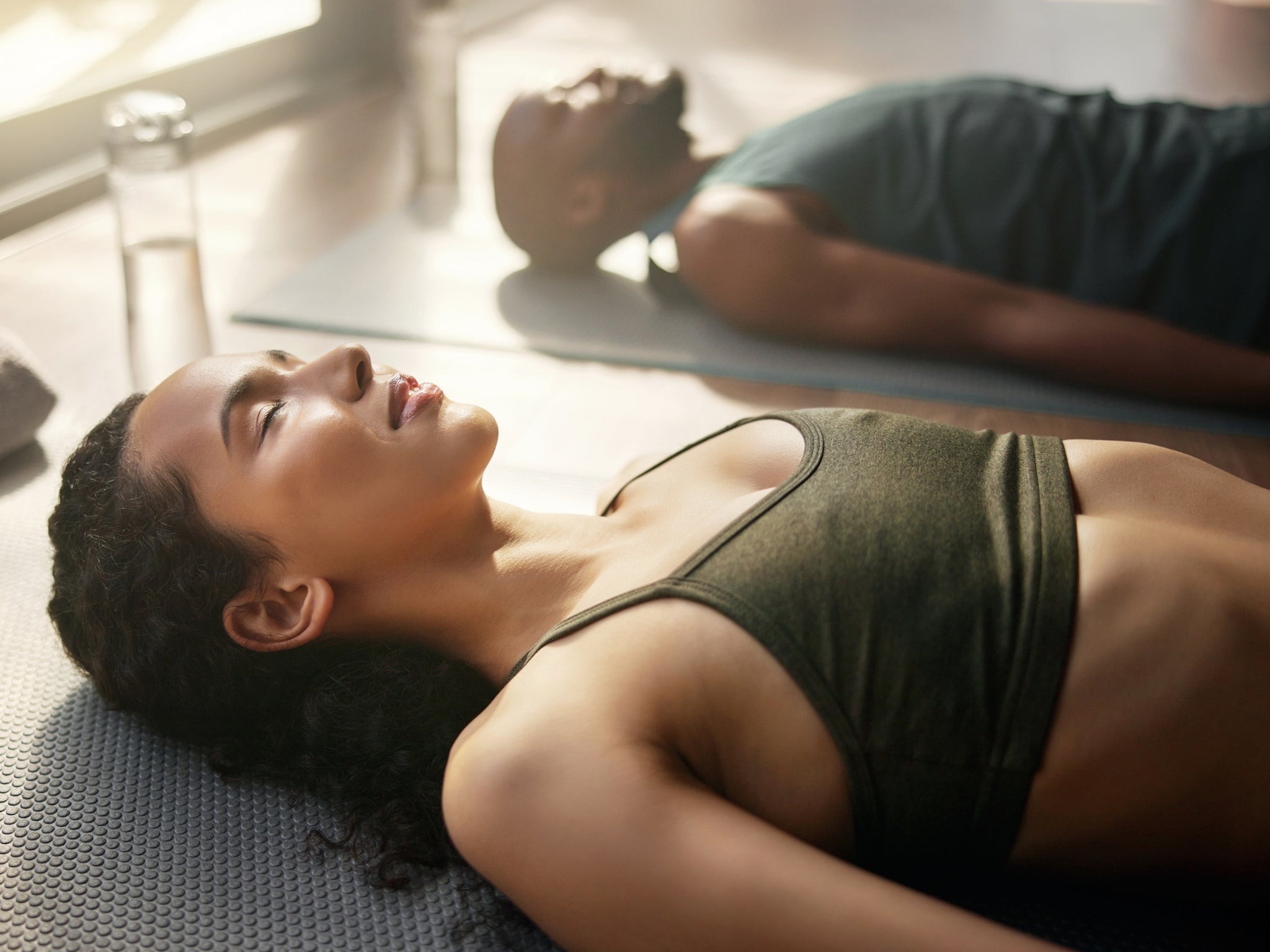
Yoga Nidra, or “yogic sleep” is a form of guided meditation that draws the mind into the twilight state between waking and sleeping. As sleep meditation has boomed and apps like Headspace have launched celebrity bedtime stories and sleepcasts, the “sleep yoga” category has become an overnight sensation – pun intended.
The practice helps to regulate the stress response by activating the parasympathetic nervous system (Getty Images)
What is Yoga Nidra?
Yoga Nidra describes a kind of transcendental sleep or half-conscious meditation, a state between wakefulness and rest. The practice is akin to experiencing the peaceful rest and relaxation of sleep and dreaming, whilst awake. It’s rooted in ancient Hindu and Buddhist traditions and has been shaped by 1970s counter-culture experiments that reframed rest as a form of rebellion.
Kathryn McHarg, a yoga expert and Yoga Nidra teacher at BU Yoga, calls it “both a process and a state”.
She says: “Translated from Sanskrit Yoga Nidra means 'yogic sleep' but it’s not really about sleeping – although you may fall asleep which is completely fine. It is more about exploring the different states of consciousness, which occupy the alpha-theta border – that place between sleeping and waking.”
Performing Yoga Nidra involves practising pratyahara, or “withdrawal of the senses”, the fifth limb of Ashtanga yoga. The idea is that by going within and not moving – simply being – the individual can supposedly expand self-awareness. The bonus effect is that you feel incredibly relaxed and sleep comes much more easily.
In 1973, writer and yogi Dennis Boyes published Le Yoga du sommeil éveillé; méthode de relaxation, yoga nidra or The Yoga of Waking Sleep. This was the first known usage of the term as we know it. Later came yoga therapists and gurus perfecting the art, putting their own spin on it and creating the foundations of the practice that most of us recognise today.
Like any form of yoga, Yoga Nidra is taught by all kinds of teachers. Some blend the practice with instructions for more far-out concepts like lucid dreaming or astral projection (both of which I have tried and enjoyed) whereas others focus on using the deep breathing and full-body check-in to access the practical aspects of relaxation – I find the latter more useful day-to-day.
Unlike other forms of yoga – and perhaps this is the secret to its success in the UK – Yoga Nidra doesn’t require any movement. Instead, it’s a combination of focus and breathing, essentially a mental process of checking in and meditating while lying still.
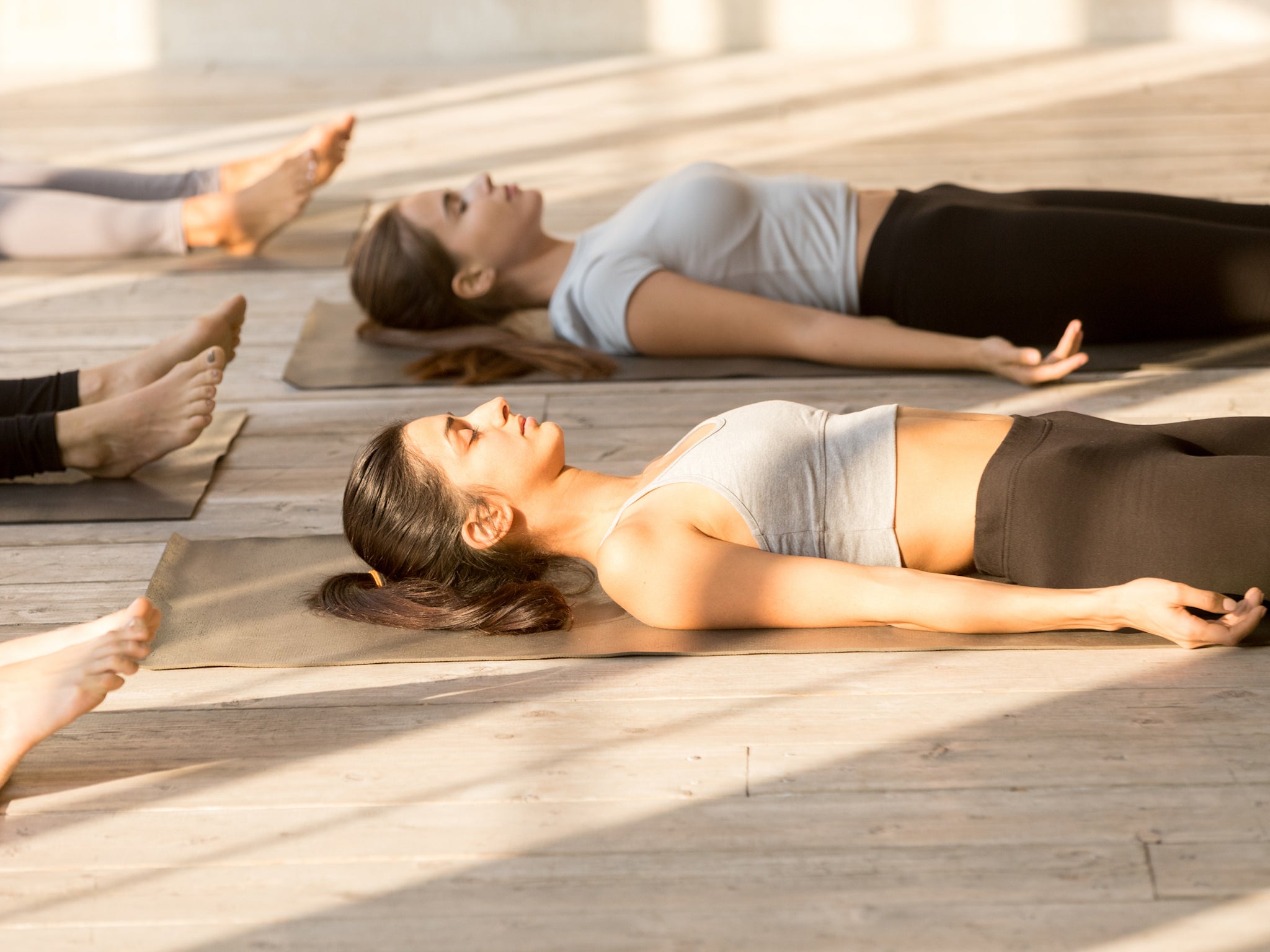
Libby Stevenson, Head of Yoga for Harley Street at Home, describes it as a deeply accessible practice. “It takes about 15-20 minutes and it involves lying down comfortably on a bed, yoga mat or carpet,” she says. “Then you’ll listen to a guided relaxation which involves breath and body awareness but with this practice, there is no physical movement.”
“There are different ways to lie down depending on the physical limitations of the participants but generally, participants lie flat on their back, or for anyone with lower back issues, with cushions under their knees,” she adds.
“Ideally, the participant is in a room where they will not be disturbed. They might want to have a blanket cover them because as the body relaxes, it also cools down. Then a guided instruction on how to relax the body begins. It starts with gentle isometric stretching and leads to stillness and it’s impossible to do it wrong.”
One study linked the practice of Yoga Nidra to increased endogenous dopamine release in the ventral striatum, a region associated with motivation and pleasure (Getty Images) What happens during Yoga Nidra?
“There are various steps in a Yoga Nidra practice,” McHarg explains. “Such as the 'arrival' phase. Then there could be opposites, images, free flow and then a 'return'. Different teachers will add in or take out stages of this process depending on their training. I tend to gauge this based on my yogis and depending on what the intention of the practice is.”
At the start of a Yoga Nidra practice, the brain is typically in an active beta wave frequency – an alert, problem-solving mode. This is typically the mode we try to move out of when using yoga and meditation as tools.
As relaxation deepens, brain activity slows into alpha waves, bridging conscious thought with the subconscious. In this state, serotonin is released, bringing calm and stillness. With time, delta waves emerge, mirroring the deep restorative stages of sleep. The difference is that in Yoga Nidra, we remain awake, aware and conscious throughout.
This sequence produces measurable physiological effects. One study linked the practice of Yoga Nidra to increased endogenous dopamine release in the ventral striatum, a region associated with motivation and pleasure. Another found improvements in heart-rate variability – a key indicator of a healthy autonomic nervous system. A third observed better sleep efficiency, shorter sleep-onset latency and reduced time in bed after just four weeks of Yoga Nidra compared to progressive muscle relaxation.
On a biochemical level, the practice helps to regulate the stress response by activating the parasympathetic nervous system. During slow, controlled breathing, the vagus nerve is stimulated which lowers heart rate and blood pressure, enhancing digestion and signalling to the body that it’s safe to rest.
Studies suggest that regular yogic breathing can reduce tension and anxiety, while autonomic symptoms such as headache, chest pain, palpitations and abdominal discomfort respond well too. For me, a racing anxious mind prevented me from sleeping well for many years. I tried plenty of different sleep aids but the thing that made the most difference and allowed me to drop into a relaxed state with a clear mind and then drift off to sleep was my nightly Yoga Nidra practice.
A busy mind is the most common barrier to sleep. Research shows that when we try to block intrusive thoughts, they rebound more strongly. “We need to learn to notice and let go of thoughts, rather than trying to control them,” says Guy Meadows, a sleep physiologist and founder of Sleep School.
“The first step is to anchor the attention in the present moment by noticing the movement of the breath. Then when the mind wanders, which it will, you acknowledge this fact before returning your attention back onto the breath. Brain imaging research shows that repeatedly noticing the breath and letting go of thoughts, strengthens a part of the brain responsible for calming down mental chatter.”
Yoga Nidra can both soothe the nervous system and quiet anxious chatter before bed (Getty Images)
The benefits of Yoga Nidra
The primary benefit of Yoga Nidra is deep relaxation. As the body relaxes, tension releases while the mind stays gently focused on the guidance. The combination is profoundly soothing to the nervous system.
“We relax the body by focusing the mind on a part of it: the feet, the lower leg, the upper leg, the hips, and so on all the way up to the face and head. We send each part of the body a mental message to relax. It’s that simple. But so effective,” says Stevenson.
This mindful body scan also invites emotional clarity. Practitioners often experience gratitude, and research shows that consciously reflecting on what we’re grateful for creates a more positive mindset, which in turn helps regulate the nervous system.
“Taking gratitude can be as easy as spending a few minutes at the end of the day in bed to think about the events, people or places that you’re grateful for in your life that day,” says Meadows. “Whatever comes to mind, see if you can clearly identify why it is that you are grateful for it and pause to notice how the feeling of appreciation feels.”
There’s no right or wrong way to practise, and anyone can do it. I found that when I started a few years ago, my mind would wander. I also wasn’t very good at bringing any gratitude into my practice. These days, I do my 10-20 minute practice, breathe deeply, access those feelings of gratitude almost instantaneously and fall asleep straight afterwards. It just takes consistency.
“Absolutely anyone and everyone can do Yoga Nidra,” says Stevenson. “From children to the elderly, disabled and able-bodied people, those who are bed-bound, pregnant people and especially anyone experiencing feelings of overwhelm, hot flashes, night sweats and panic attacks. The breathing technique is what makes it so effective for those experiencing anxiety.”
The approach has been used to help soldiers cope with post-traumatic stress disorder, acting as a bridge between body-based therapies and cognitive resilience. However, McHarg advises that it’s best to consult with a teacher before practicing if you are experiencing severe anxiety.
“Some of the benefits of Yoga Nidra are greater awareness or interoception of the physical body and greater focus. The only real contraindications here are psychosis and schizophrenia. If you are experiencing these conditions Yoga Nidra would be unhelpful. And if you are living with trauma or PTSD it’s important to discuss it with your teacher. Whilst general stress, and worry are everyday issues, severe anxiety can require specialist support,” she says.
Why practice sleep yoga?
The surge in Yoga Nidra’s popularity speaks to both science and need. Experts suggest the UK is nearing a wellbeing crisis point and that our chronic stress levels are becoming dangerous. A nervous system locked in fight-or-flight mode contributes to burnout, insomnia and inflammation but practices like Yoga Nidra directly counteract this by training the brain and body to downshift.
“Sleep is a trainable skill that you can learn to be better at, especially during times of stress,” says Meadows. “But no method works in isolation, you also need to practice good sleep hygiene.”
Ironically, perfect sleep and a zen disposition during waking hours doesn’t happen overnight. It took me several months of consistent bedtimes and waking times, healthy habits and nightly Yoga Nidra practice to get into a groove. Now, after several years, I can use Yoga Nidra whenever I feel stressed, if I’m travelling between time zones or if I want to nap during day.
The best place to start is in a class or with a qualified teacher guiding you via a recording. But you don’t have to pay for an expensive app. There are plenty of brilliant teachers to be found on Instagram and free Yoga Nidra sessions on Spotify and YouTube.
The results can be tangible: lower blood pressure, steadier mood, sharper focus and, perhaps most importantly, the ability to let go and switch off. Between waking and rest lies a space most of us rarely reach – Yoga Nidra invites us back there and the science shows it’s a place well worth visiting for improved health and healing.
If you have both chronic kidney disease (CKD) and type 2 diabetes, you may rely on medications and nutrition to keep each condition under control. While those strategies are key to staying healthy, don’t overlook the importance of exercise as well.
Exercise has powerful effects on the body that can help address kidney disease and type 2 diabetes (also known as diabetic kidney disease) simultaneously, such as lowering blood sugar, strengthening muscles, improving heart health, and more. There are also some safety considerations to keep in mind when exercising with diabetic kidney disease, so be sure to have a conversation with your healthcare provider before getting started.
The Benefits of Exercise for CKD and Diabetes
Kidney disease and diabetes are managed mainly with medications and dietary changes, but exercise can also play a key role.
“Regular physical activity can improve blood glucose and blood pressure, helping with both diabetes and kidney disease management,” says Barbara Eichorst, RD, CDCES, a Chicago-based certified diabetes care and education specialist and the vice president of healthcare programs at the American Diabetes Association.
Exercise can also reduce oxidative stress and inflammation in the kidneys caused by high blood sugar, helping prevent further kidney damage. In fact, people with diabetes who perform moderate-intensity exercise at least twice a week may significantly slow the progression of kidney disease, with the most significant benefits associated with daily exercise.
Physical activity prompts your muscles to pull glucose from your bloodstream for fuel, not only lowering your blood sugar levels, but also encouraging your body to become more responsive to insulin (the hormone responsible for moving glucose into your cells) for up to 48 hours after exercise. With consistent exercise, your body becomes even more efficient at using blood glucose effectively, helping to keep your blood sugar levels under control.
In addition to a healthy diet, regular physical activity can also support weight loss in people with type 2 diabetes. Even modest weight loss of 3 to 7 percent of your body weight can result in improved blood glucose levels and may reduce your need for medications. Meanwhile, more substantial weight loss (more than 10 percent of your body weight) can significantly reduce the average amount of glucose in your blood over two to three months (also known as hemoglobin A1C).
Exercise and Chronic Kidney Disease
A significant benefit of exercise is its ability to lower blood pressure. In fact, regular physical activity can reduce blood pressure by 5 to 7 mmHg, which is helpful for managing kidney disease. High blood pressure (hypertension) is common in people with kidney disease, because kidney damage can cause blood pressure to rise, with elevated blood pressure further damaging the kidneys, creating a vicious cycle. By helping you to keep your blood pressure under control, exercise can also help prevent kidney damage.
Exercise may also improve symptoms of kidney disease, such as muscle loss and fatigue, by stimulating muscle growth and boosting the body’s release of nitric oxide. Nitric oxide is a gas produced naturally by the body that relaxes the blood vessels, helping them widen and increase blood flow. This response also allows more oxygen to travel to tissues throughout the body, which may improve energy.
Challenges and Barriers to Exercise
Benefits aside, symptoms and complications of diabetic kidney disease can make some activities tricky or even dangerous.
For example, when the kidneys remain inflamed for a long time (a hallmark of kidney disease), this inflammation can negatively impact other systems in the body that help with muscle building and energy support. As a result, a lot of people with kidney disease experience muscle loss and chronic fatigue. Combined, these effects can make everyday tasks feel like a struggle and exercise seem nearly impossible.
People with diabetic kidney disease are also more likely to have osteoarthritis, a joint disease that occurs when the cartilage in joints wears down. While physical activity helps keep joints with osteoarthritis healthy, it can be difficult to exercise during joint pain flares.
The high blood sugar that is characteristic of diabetes can also lead to nerve damage (neuropathy), often in the feet, and damage to the blood vessels in the eyes called retinopathy, which leads to declining eyesight. These complications can lead to foot numbness or pain and make it more challenging to maintain balance, thereby increasing your risk of falls during exercise.
Despite these risks, health experts encourage people with diabetic kidney disease to stay active.
How to Exercise With CKD and Diabetes
Check in with your healthcare team before starting an exercise program, especially if you have severe kidney disease or high cardiovascular risk, advises Joseph Vassalotti, MD, a clinical professor of medicine at the Icahn School of Medicine at Mount Sinai in New York City and the chief medical officer of the National Kidney Foundation. Your providers can offer individualized recommendations based on your current activity level, disease status, and personal preferences.
While there aren’t any official exercise guidelines for people with diabetic kidney disease, the standard evidence-based recommendations for adults include at least 150 minutes of moderate- to vigorous-intensity aerobic exercise a week, along with two to three resistance-training sessions. Aerobic exercise specifically may help decrease body mass index (BMI) and reduce blood pressure in people with diabetic kidney disease.
There are many types of aerobic exercise to choose from, including walking, cycling, jogging, rowing, and swimming. “Make it a fun and enjoyable activity that makes you feel good while improving your overall health,” says Eichorst.
Meanwhile, resistance training is also important for people with diabetic kidney disease, especially for those who are older than 50 and those who are taking GLP-1 weight loss medications like semaglutide (Ozempic), tirzepatide (Mounjaro), or dulaglutide (Trulicity). This population tends to experience muscle loss from both age-related changes (sarcopenia) and side effects of these weight loss medications, says Dr. Vassalotti.
You can strength train using your body weight, resistance bands, exercise machines, or free weights. Work with your physician and a strength and conditioning specialist to choose the modality that best suits your needs.
Some physical activities can be challenging for people with complications such as neuropathy and osteoarthritis. For instance, intense or weight-bearing activities such as standing strength exercises and jogging can cause joint pain and balance issues. “Non-weight-bearing, low-impact activities such as swimming, cycling, and chair exercises may work for those with neuropathy or osteoarthritis of the knee and hip,” says Vassalotti. Ask your provider which exercises they recommend for you.
Also keep the following tips in mind when exercising with diabetic kidney disease:
Start slowly. Ease into a new exercise routine to prevent injuries and overexertion. Start by working at a lower intensity and gradually building to a moderate intensity level, increasing your level of exertion by no more than 10 percent each week.
Hydrate well. Staying hydrated is essential for overall health, but it’s especially important when you have diabetic kidney disease. Sweating during exercise increases fluid loss, making it easier to become dehydrated. Drink plenty of water before, during, and after workouts to replenish fluids, particularly if you’re exercising in the heat. (People on dialysis may be advised to limit their fluid intake.)
Check your blood sugar frequently. Exercise generally lowers blood sugar. Intense workouts such as heavy strength training and competitive sports may cause you to produce stress hormones that raise blood sugar temporarily. By monitoring your blood sugar before, during, and after exercise, you can identify whether specific activities or foods make it difficult to keep your blood sugar in range.
The Takeaway
Exercise can help manage both CKD and type 2 diabetes simultaneously by improving blood glucose regulation, decreasing blood pressure, and reducing inflammation in the body.
People with diabetic kidney disease often face additional challenges when it comes to exercise, including muscle loss, chronic fatigue, joint pain from osteoarthritis, and an increased risk of falls due to nerve damage.
It's important to consult your healthcare team before starting a new exercise program to receive personalized recommendations, especially if you have advanced kidney disease or high cardiovascular risk.
General exercise recommendations include at least 150 minutes of moderate- to vigorous-intensity aerobic exercise per week, along with two to three resistance training sessions. Low-impact activities like swimming or cycling may be better for those with joint pain or nerve damage.